3D Models
Our 3D Models offer various ways of anatomical exploration, such as virtual reality visualization and reference interaction.
Get unlimited access to our models and resources!
Become Premium!Teachers Section
The Teachers Section facilitates interaction between teachers and students. Educators can create assessments and activities to evaluate their classes and provide feedback.
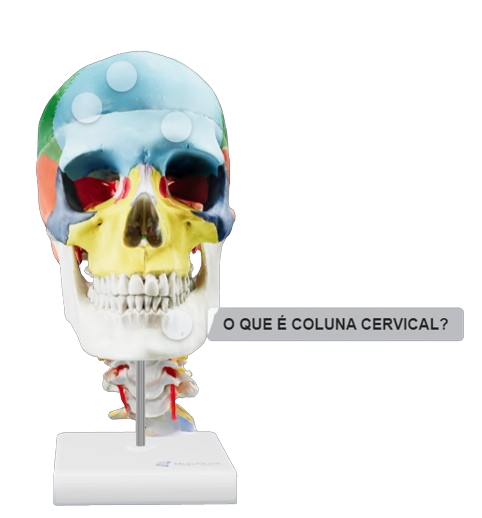
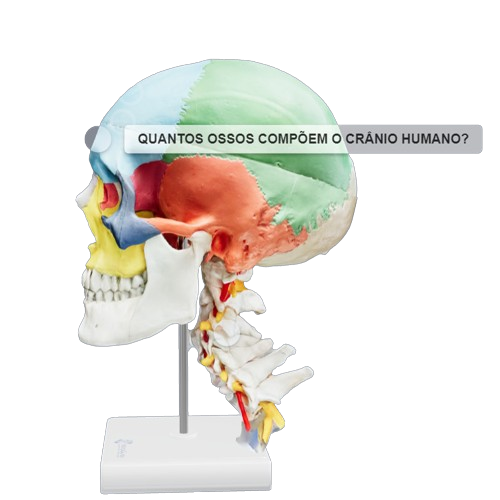
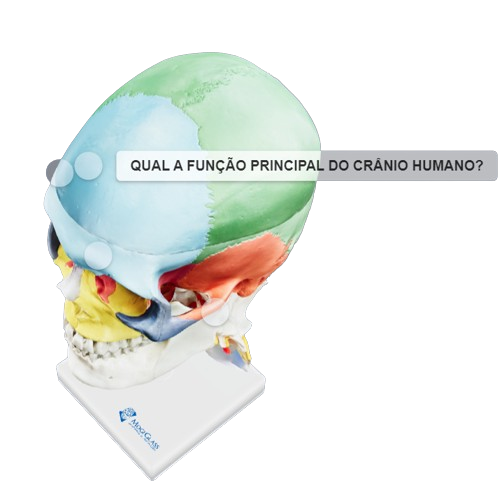
Conducting the test unifies the real and virtual worlds, aiming to complement knowledge with practical and didactic tools.
Interaction
The VirtualBody tool allows real anatomy to be compared and studied virtually, simplifying the learning process through the platform.
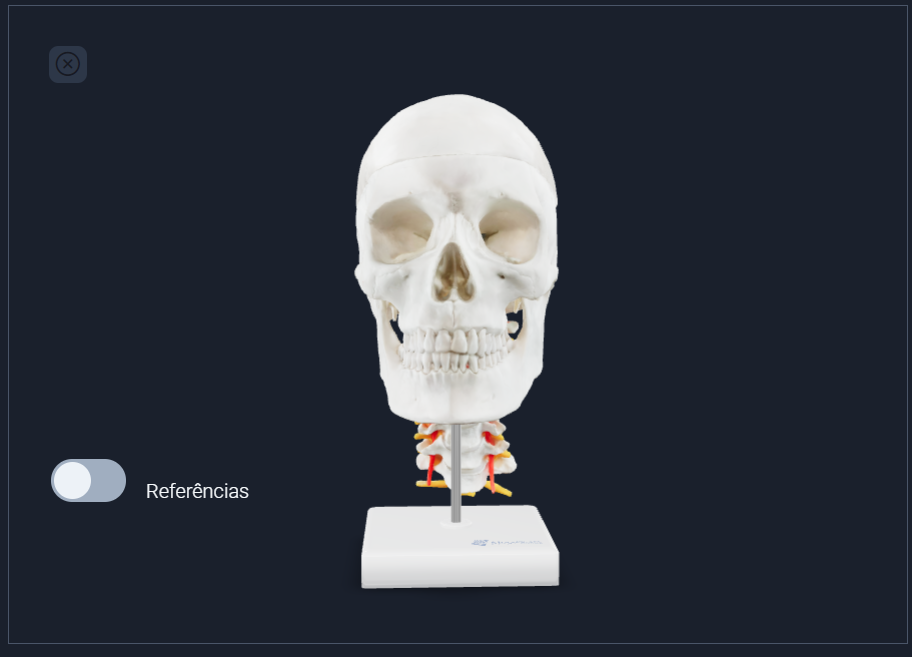
References
References help identify the nomenclature of a specific part of the piece and display it from various angles.
Visualization
Vision
The vision feature allows the user to select parts of the same 3D object, enabling the study of individual parts of the piece.
Interaction
Angulation
Rotating the piece as if seeing it in the real world allows users to manipulate and identify every detail of the 3D anatomical model.
3D Rotation
Human Atlas
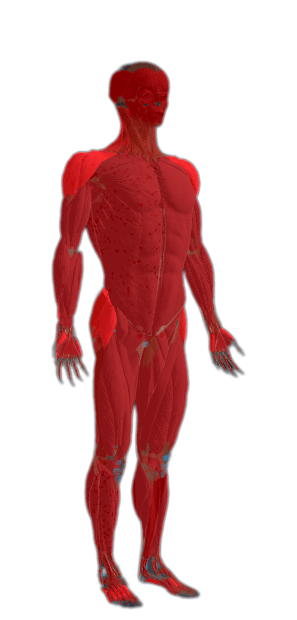
Our Human Atlas includes a complete system and anatomical exploration. It offers various visualization modes, such as detailed references. Some examples:
Joints
Cardiovascular System
Skeletal System
Nervous System
Access the Human Atlas resources with a monthly subscription.
Sign UpThe platform also includes
Chemical Models
The Chemical Model offers a complete system, 3D visualization, and enlargement.
Biochemical Models
The Biochemical Model offers a complete system, 3D visualization, and enlargement.
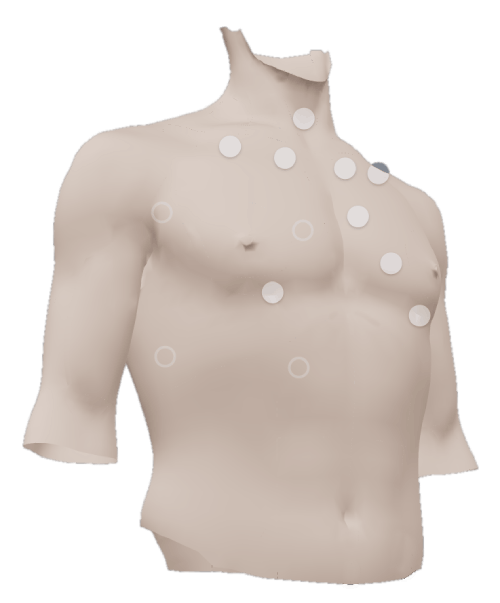
Auscultation
The auscultation tool provides the experience of interacting with our models through the virtual stethoscope, enabling the study of vascular sounds.
Model Opacity
Technical Explanation
3D Rotation
References
Slices
Slices are used in various types of studies in the sciences. They can cover histology, botany, zoology, cytology, ecology, embryology, pathology, parasitology, and bacteriology.
It is a glass material where a sample of an organism is placed. It is used to observe the structures of an organism or tissue under the view of an optical microscope.
Active Methodology
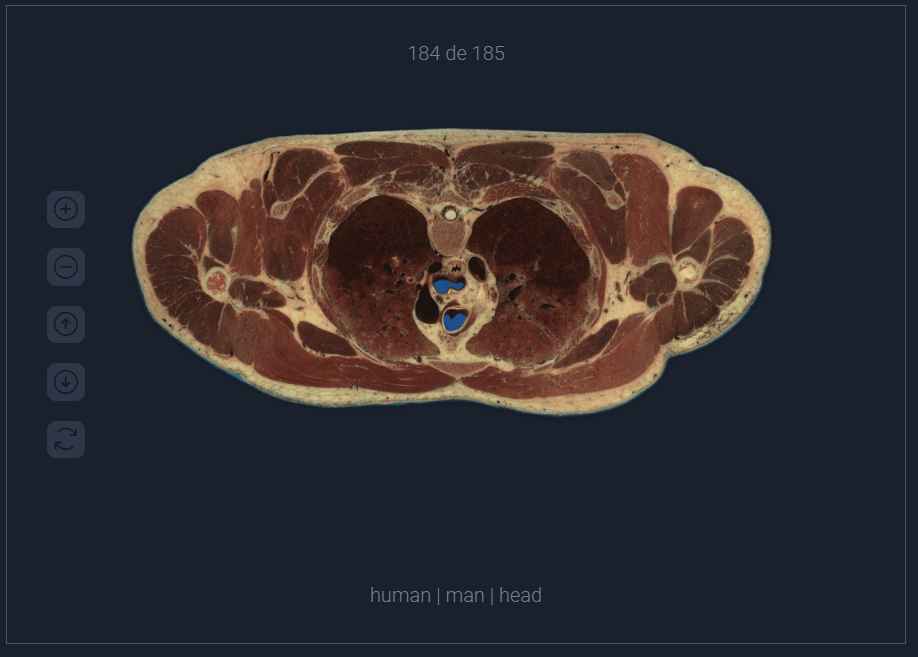
Using the generated code, we can structure multiple models on a single screen for study. For example, we have the head and skull, models that complement each other for a better understanding of anatomy.
Contributory Tools
Model Opacity
Model Order
3D Rotation
References
The platform enables the integration of its resources, encouraging autonomous and participatory learning, such as the flipped classroom.
This integration is possible through QRCode.

Join us, create your lessons, and explore the models.
Create My Account